Magazine Design & Social Material Studio
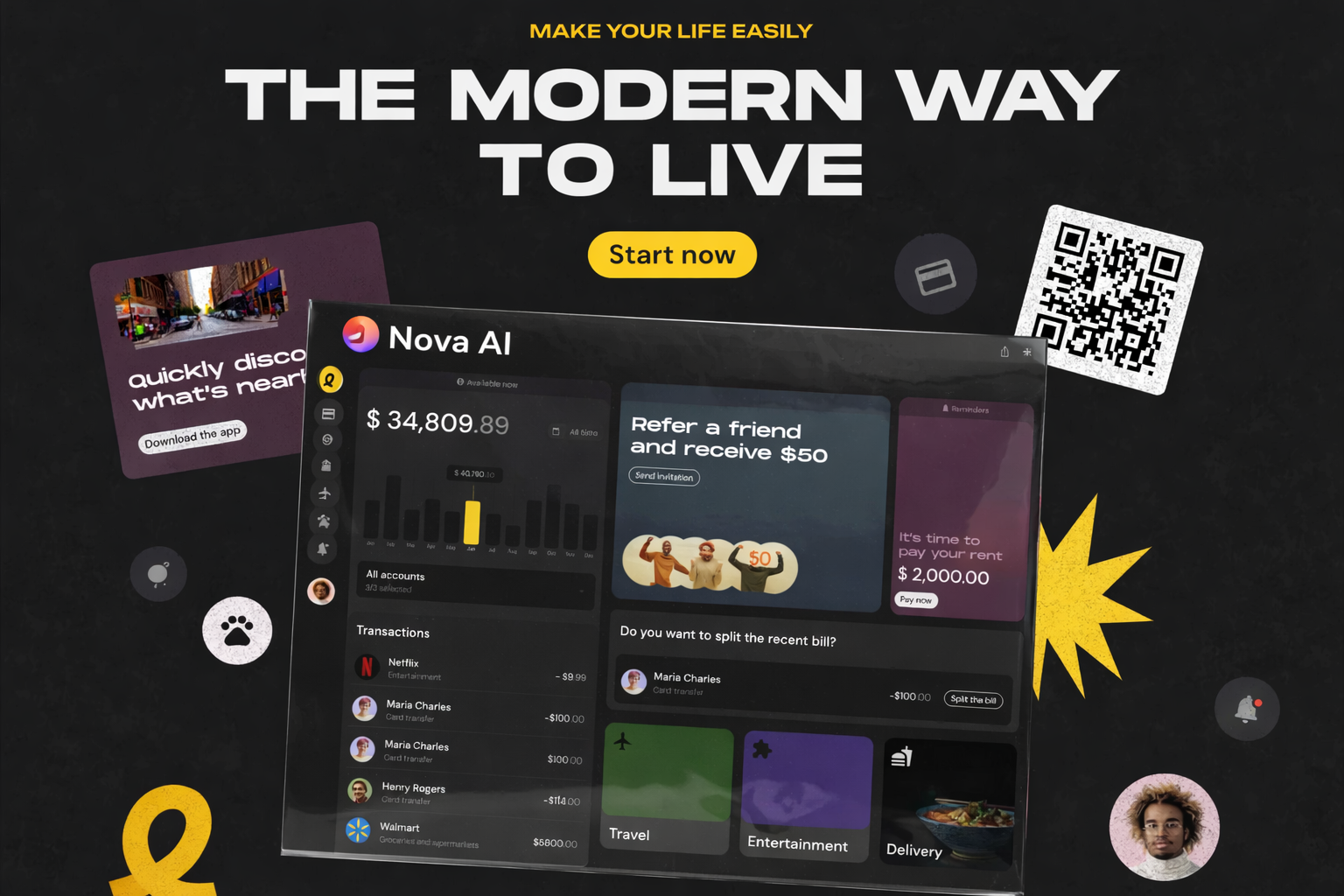
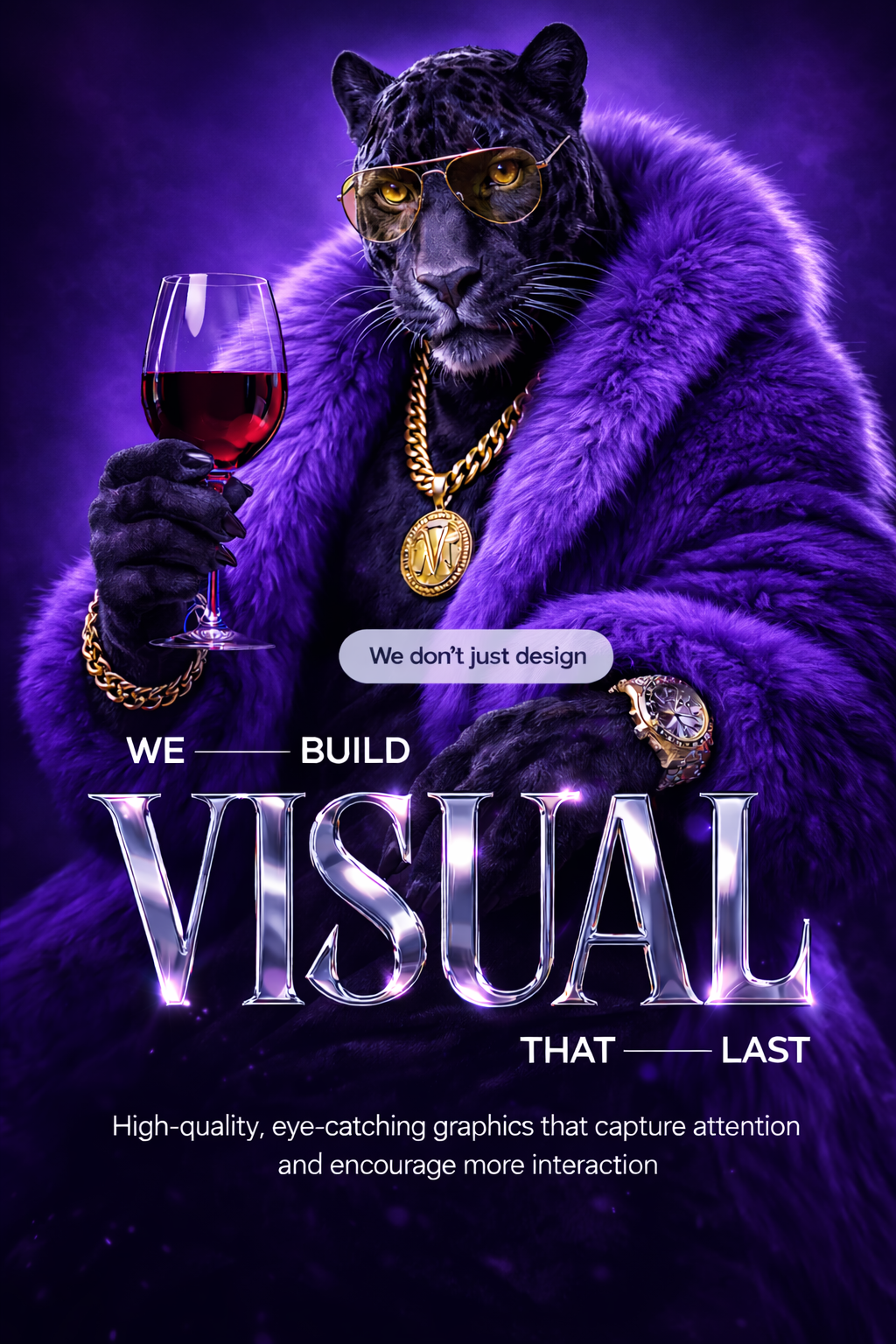
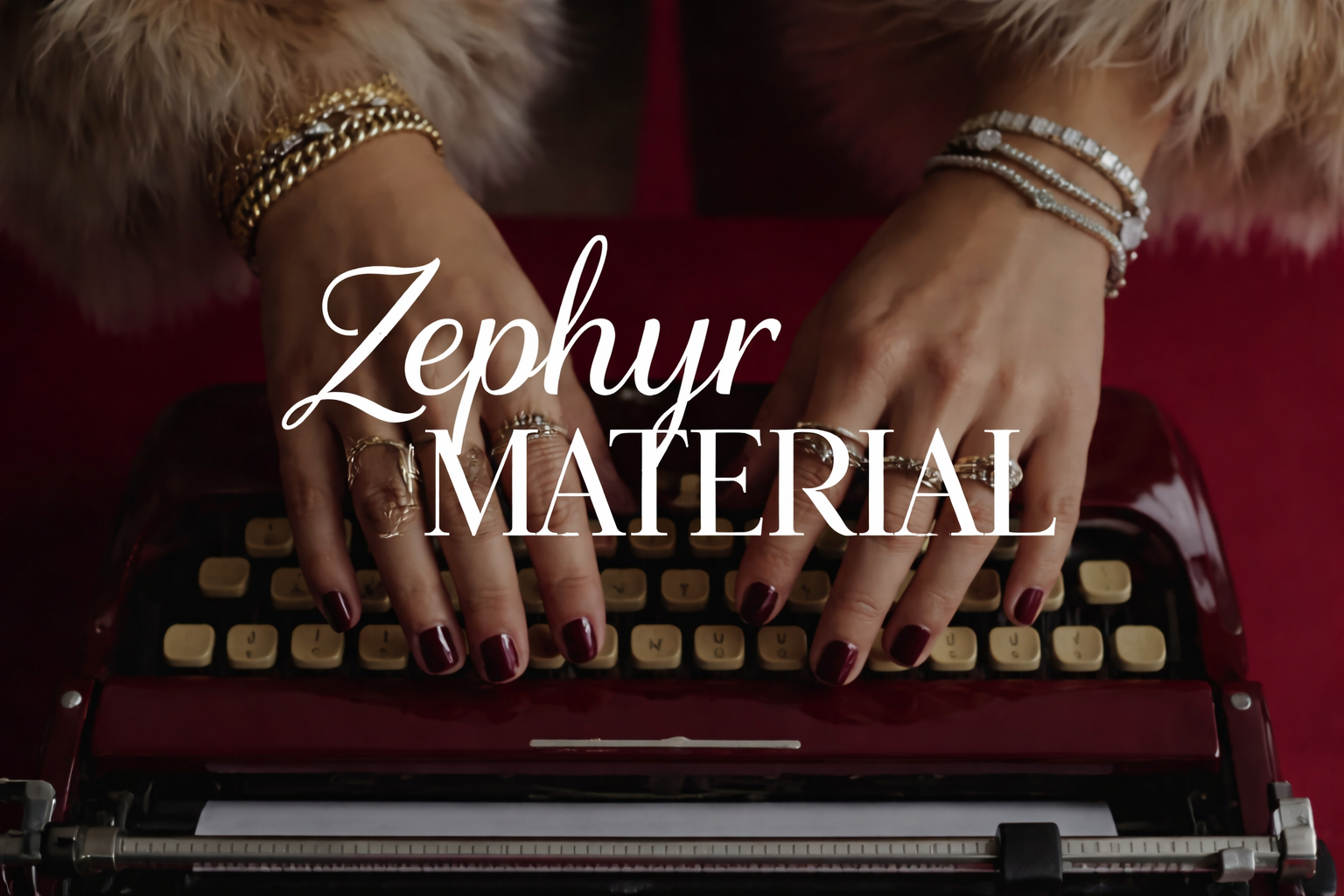
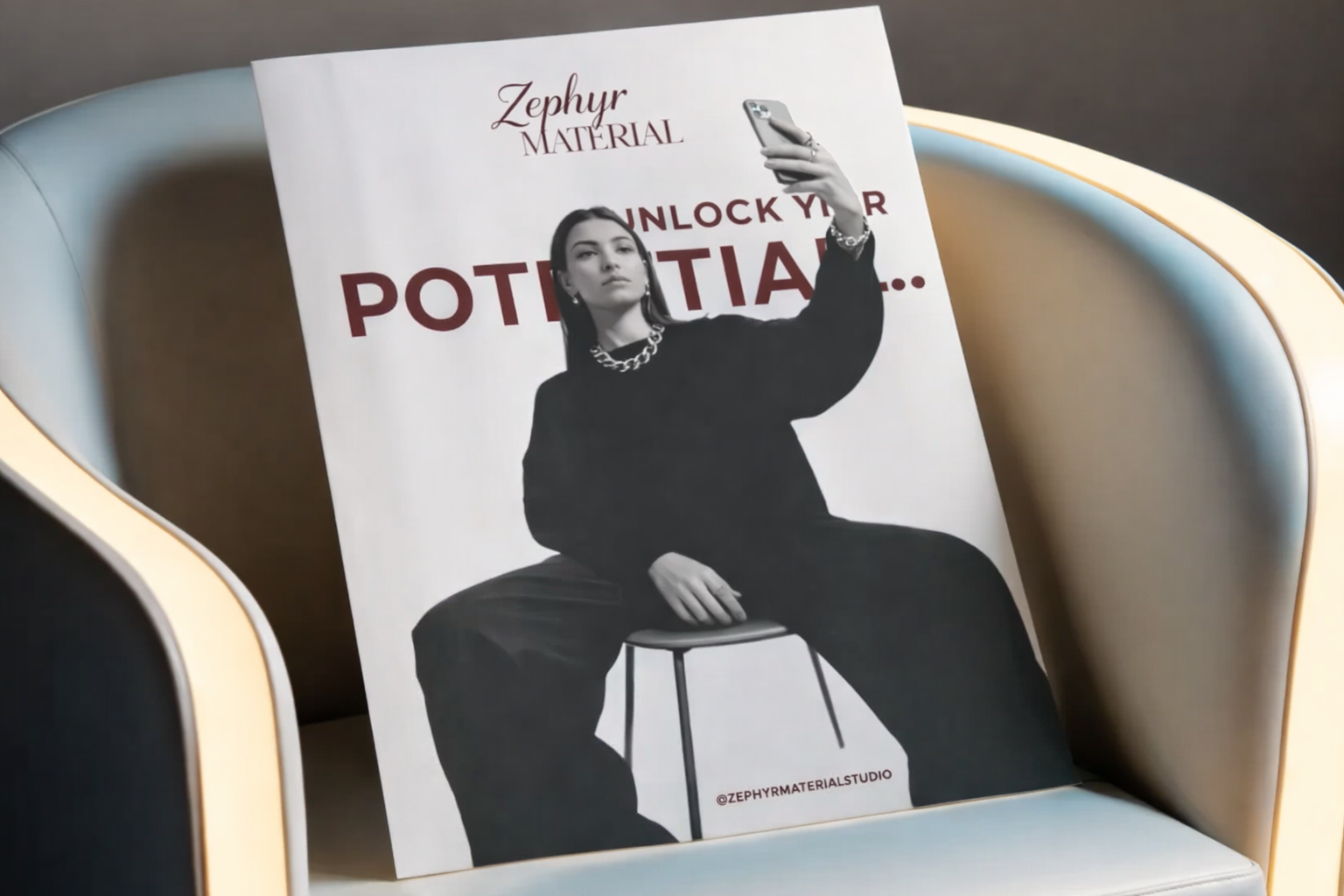
AI-generated brand mockups and visual identity design for a modern magazine and social material studio. High-impact creative assets that establish a cohesive, scroll-stopping brand presence.

What the client was up against
Volt Quarterly was launching a new culture and design title into a saturated independent-publishing market with a tight pre-launch window and no budget for traditional photo shoots, set design, or a full-time art team. The founders had a strong editorial point of view but only rough mood boards, a working logo, and two sample articles. Every competitor they benchmarked against had spent six figures on photography and prop styling alone. They needed a complete visual identity, a cover concept, interior spreads, and a rolling social content system ready for an Instagram-first launch — all in under a month. The real risk was looking like a low-budget indie zine on newsstands next to Monocle, Kinfolk, and The Gentlewoman. Every asset had to feel intentional, editorially confident, and unmistakably premium from the first carousel post.
How Cultiv AI Studio solved it
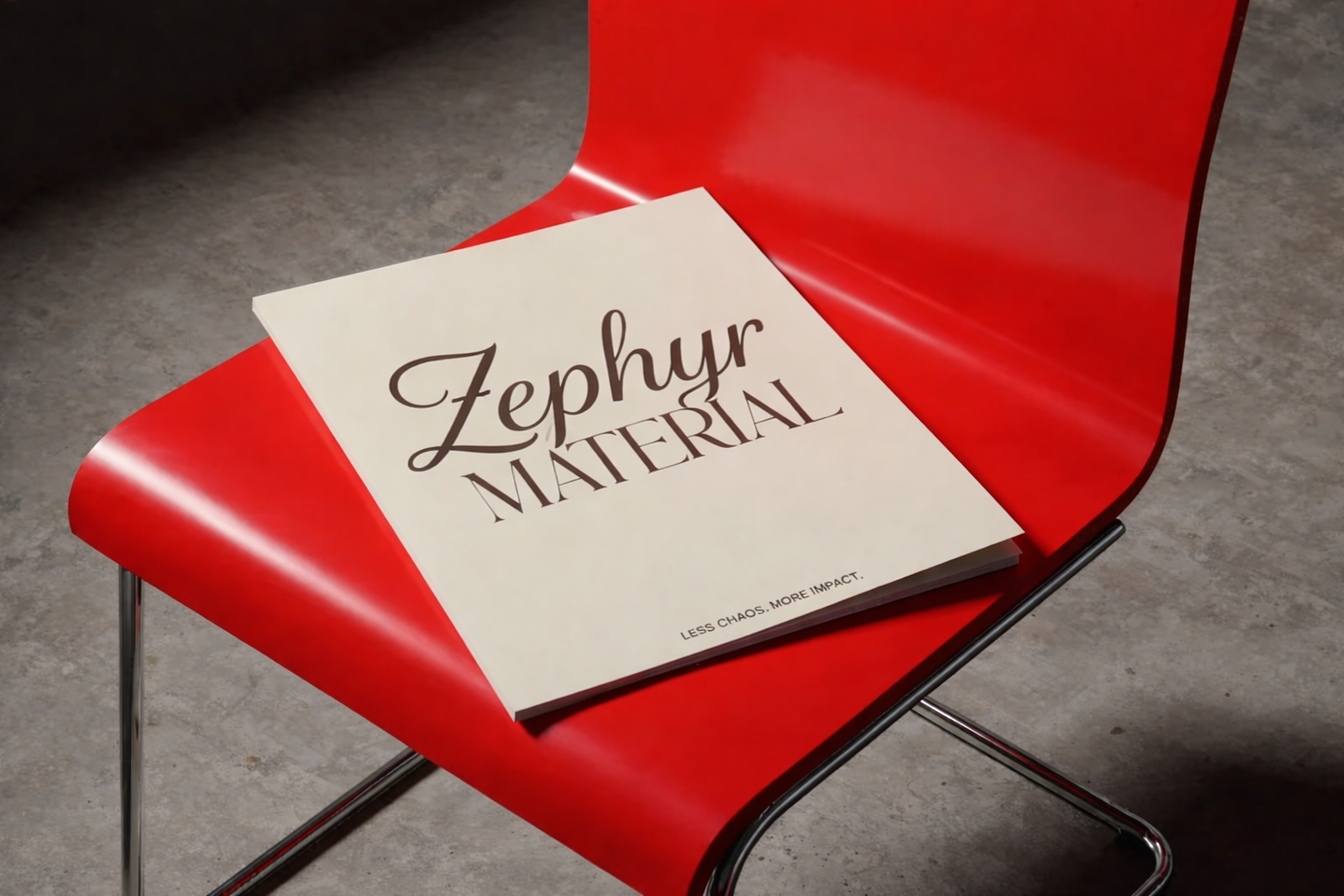
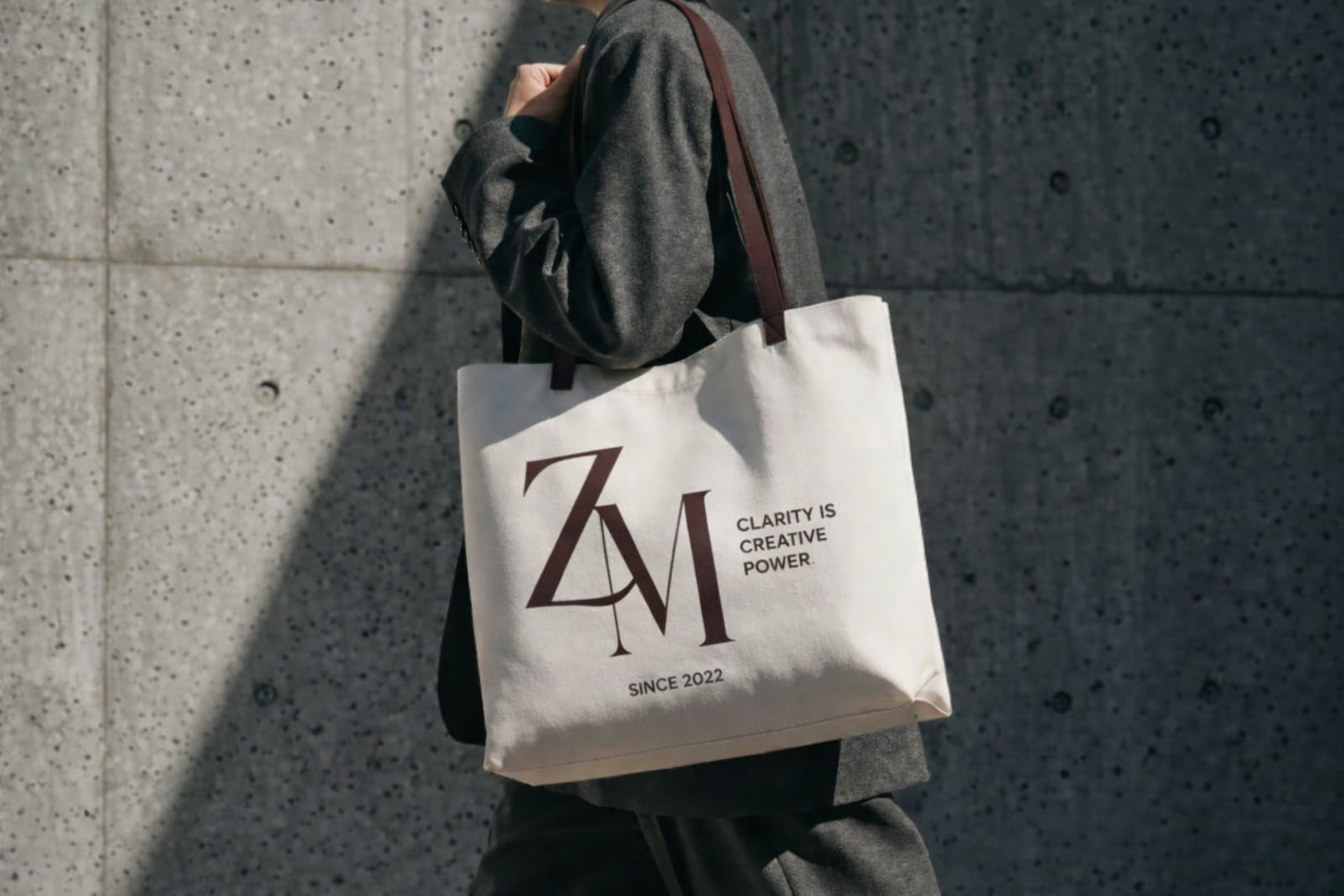
We treated the brand as a modular system rather than a one-shot art direction exercise. Our team ran a two-day positioning workshop to lock the editorial voice, then built a Midjourney style reference library that encoded the exact palette, grain, lighting, and subject framing we wanted every asset to inherit. From that reference library we generated cover concepts, feature photography, still-life product cut-outs, and abstract texture plates in parallel, letting the editorial team curate rather than commission. InDesign templates and Figma social components were built around the strongest generations, with type, grid, and color locked into reusable masters. The final brand system ships as a living kit: anyone on the Volt team can now spin up an on-brand spread, cover line-up, or carousel post in under an hour without re-briefing a photographer or designer.
Our working steps
- 01
Positioning & Style Capture
Two-day workshop to lock voice, audience, and references. Output: a tight visual brief and a 40-image moodboard that became the AI style anchor.
- 02
AI Style Library Build
Engineered a Midjourney style pack and prompt grammar so every future asset inherits the same light, grain, palette, and framing without re-prompting from zero.
- 03
Cover, Spreads & Social System
Generated cover concepts, feature imagery, and social templates in parallel batches. Editorial team curated finalists; we refined in InDesign and Figma.
- 04
Handoff & Enablement
Delivered a living kit — templates, prompt library, brand rules, and a 30-minute Loom walkthrough — so the in-house team can keep shipping without us.
04 — Deliverables
What we shipped
- Logo refinement and core brand guidelines
- Cover concepts and issue one master layout
- 12 feature spread templates in InDesign
- Instagram grid system + 30 launch posts
- Story and Reels cover templates
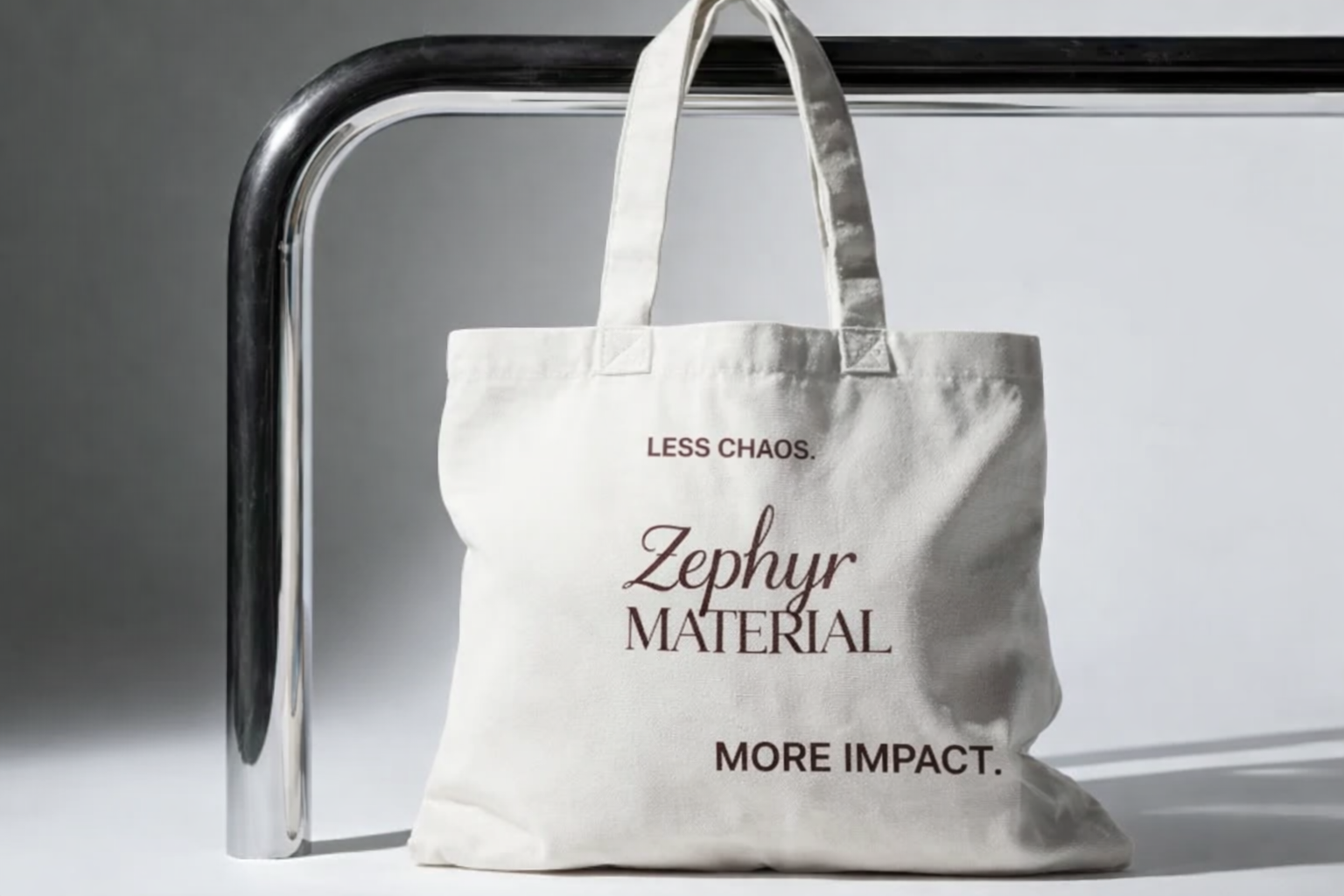
- Merch and subscription box mockups
- Prompt + style library handoff kit
05 — Tools & tech
What powered the work
What actually happened
Extended case study
Volt Quarterly came to Cultiv AI Studio with an editorial vision that punched well above its budget. The founding team had spent a year sharpening the positioning — a design, culture, and craft magazine aimed at twenty-to-forty-year-old creatives who still buy print — but every production quote they received priced them out of a Q4 launch. Traditional editorial photo shoots alone were projected to consume more than half of their total launch budget, before factoring in art direction, retouching, and social adaptation. The team needed a way to ship a premium-looking launch issue and a full pre-launch content engine without compromising on craft. Our job was not to replace their editorial judgement; it was to collapse the production stack around it. We started by interviewing the editors about reference publications, lighting they loved, and subjects they wanted to feature, then translated those intangibles into a concrete AI style anchor — a specific grain, a specific warmth, a specific way of framing people and objects — that we could apply consistently across every asset. With that anchor locked in Midjourney and Firefly, we generated cover concepts, feature photography, product still-lifes, and abstract texture plates in tightly controlled batches, letting the editorial team act as curators rather than clients waiting on a shoot day. The strongest generations were composed into InDesign master spreads and Figma social templates, with type, grid, and color carefully tuned so the whole system held together at 1080 pixels and at A4. The launch issue shipped on schedule with sixty-plus on-brand assets, a 4,200-person waitlist converted from pre-launch social, and a cost structure their Series Seed budget could absorb. Just as important, we left the team with a self-serve kit — prompt libraries, style rules, and master templates — so they can keep producing issues two, three, and beyond without coming back to us for every cover story.
More from this series lives in our AI creatives gallery, alongside campaign reels and brand experiments.
“Cultiv gave us the visual language of a ten-year-old publication in three weeks. We launched looking like ourselves, not like a low-budget version of anyone else.”
Related work
Keep exploring our AI creative work — here are more case studies that pair well with Magazine Design & Social Material Studio, hand-picked because they share design language, tooling, or business outcome.