Social Media Campaign – Viral Creatives
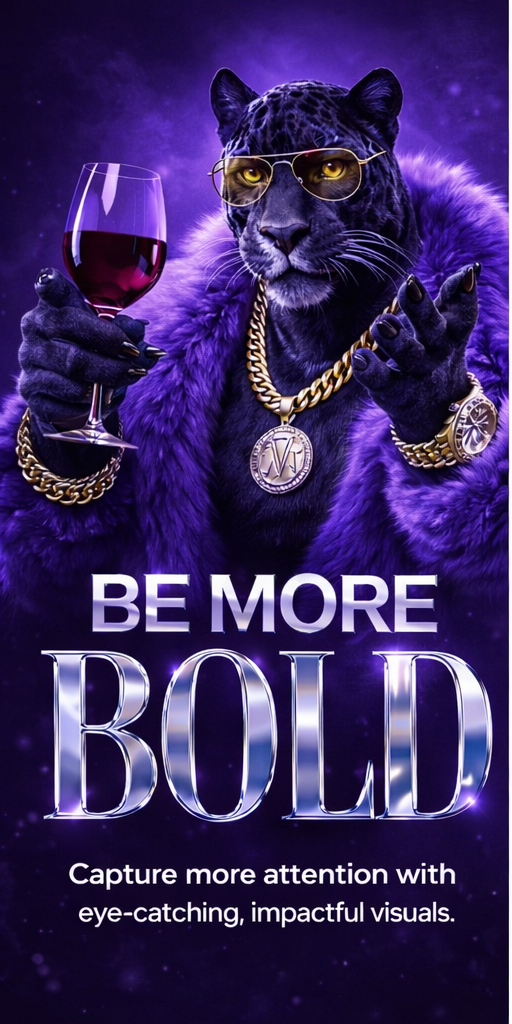
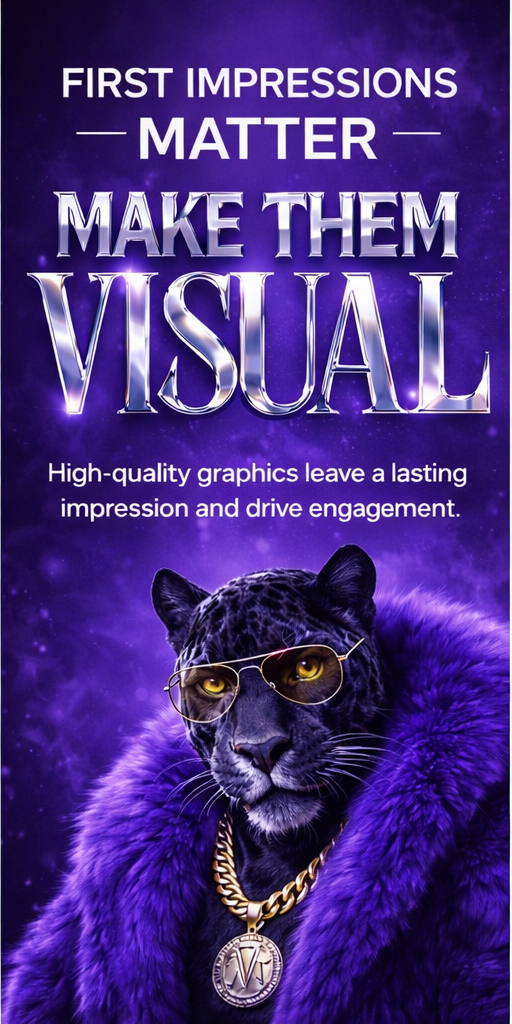
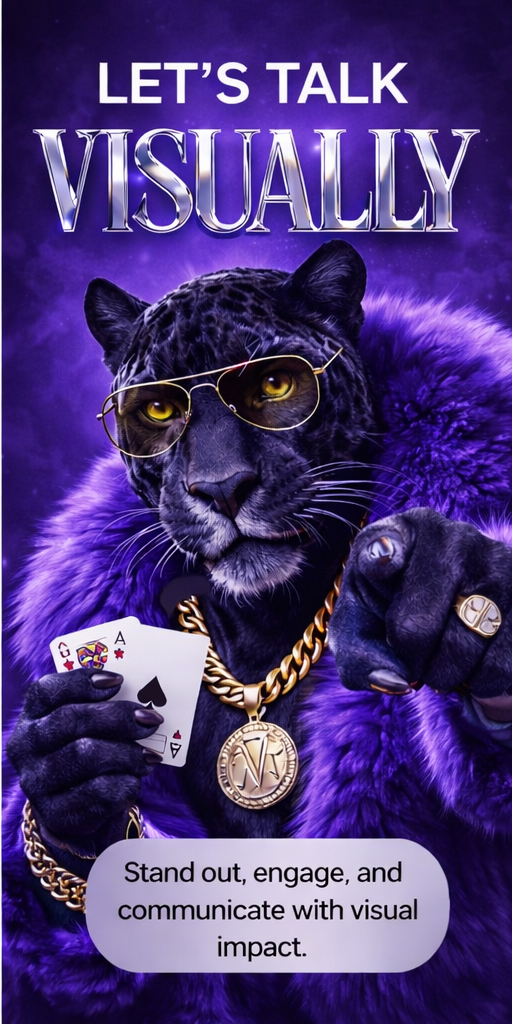
AI-generated social media campaign creatives built for virality. Ads, stories, and feed content that capture attention and drive engagement across platforms.
What the client was up against
Pulse Athletics, a DTC athletic apparel brand, was staring down a Q4 sales window with a brutal CAC problem. Their Meta and TikTok creative was fatiguing inside ten days — freshness was the enemy — and their existing production cycle could spin up maybe four new creatives a month with a full shoot day, a model, a location, and a week of edit. The math did not work. Benchmarks told them they needed forty-plus tested creatives in the window just to find the two or three winners that would carry the quarter. Traditional production at that volume was a six-figure, six-week commitment they did not have. They had one fitness creator under contract, strong ICP insight, three hero products, and a media plan that was already paid for. They needed high-volume, on-brand, platform-tailored creative that looked like organic UGC, performed like polished ads, and could be iterated weekly based on ad-manager data — not quarterly based on shoot schedules.
How Cultiv AI Studio solved it
We built a weekly creative engine around AI generation, AI voiceover, and rapid platform-native editing. Every Monday we reviewed ad-manager data with the client and picked the hooks, angles, and product focus for the week. AI-generated models and product scenes were produced in Midjourney and Runway, composited with real product photography so the physical product stayed authentic. Sora and Kling generated short motion sequences we used as b-roll; ElevenLabs produced native-sounding voiceovers in the exact tone of their creator contract. CapCut and Premiere handled fast editing into nine-by-sixteen, one-by-one, and four-by-five variants. By week three we were shipping fifteen-plus fresh creatives a week, all tagged and tracked, across Meta, TikTok, and Pinterest. Winning creatives were cloned and re-mixed within days rather than months. The brand voice was kept tight with a living creative brief and a weekly review so the volume never drifted off-strategy.
Our working steps
- 01
Creative Engine Setup
Built a weekly review cadence, hook library, prompt pack, and AI voice model tuned to the brand creator's cadence.
- 02
Batch Creative Generation
Generated scenes, models, and b-roll in Midjourney, Runway, Sora, and Kling. Composited with real product assets for authenticity.
- 03
Platform-Native Edits
Cut into 9:16, 1:1, and 4:5 with platform-native pacing. Each hero concept shipped as 4–6 variants for structured testing.
- 04
Test, Learn, Re-Mix
Weekly ad-manager review. Winning creatives cloned and re-mixed; losers killed fast. Media plan stayed productive end-to-end.
04 — Deliverables
What we shipped
- 52 AI-generated campaign creatives
- Hooks, scripts, and voiceover variants
- Meta, TikTok, and Pinterest cut-downs
- Creator-style talking-head pieces
- Product lifestyle b-roll library
- Weekly performance report and next-week plan
05 — Tools & tech
What powered the work
What actually happened
Extended case study
Pulse Athletics came to Cultiv AI Studio with a Q4 problem that a lot of DTC brands will recognize instantly. Their Meta and TikTok creatives were fatiguing inside ten days, their CAC was climbing week over week, and their existing production cycle — one shoot day, a model, a location, a week of edit — could produce maybe four new creatives a month. The ad-manager math was brutal: to find the two or three winners that would actually carry their quarter, they needed forty-plus tested creatives inside the paid window, and they needed to refresh the freshest winners before they burned out. Traditional production at that volume was a six-figure, six-week commitment that would have landed their best creative in market after the peak window had already closed. We built them a weekly creative engine instead. Every Monday we ran a thirty-minute review with the client on ad-manager data — what hooks had worked, what products were popping, what audiences were responding — and locked the week's shot list in the same meeting. AI-generated models and scenes were produced in Midjourney and Runway, composited with their real product photography so the physical product stayed authentic and color-accurate. Sora and Kling generated short motion sequences we used as b-roll for transitions and pattern interrupts. ElevenLabs produced native-sounding voiceovers tuned to the exact cadence of the fitness creator they already had on contract, which let us extend the creator's voice across dozens of creatives without burning through her shoot days. CapCut and Premiere handled fast cut-downs into nine-by-sixteen, one-by-one, and four-by-five variants. By week two we were shipping fifteen-plus fresh creatives a week, all tagged and tracked across Meta, TikTok, and Pinterest. Winning creatives were cloned and re-mixed within days instead of months — a change in hook, a change in product color, a change in opening frame — which let the media team keep pressing on what worked instead of watching it burn out. Over three weeks we delivered fifty-two creatives, cut cost per creative by roughly ninety-two percent against their shoot-based baseline, and brought Meta CPA down forty-seven percent on the same audiences. The best-performing AI-generated UGC-style hero clip hit a 5.2x ROAS and carried a meaningful share of total Q4 revenue. Just as important, the creative engine is still running — Pulse uses the same weekly cadence, prompt library, and voice model as their standing production system.
More from this series lives in our AI creatives gallery, alongside campaign reels and brand experiments.
“We went from four creatives a month to fifteen a week, without a single shoot day. CPA dropped nearly in half and our best AI creative was our best ROAS of the year.”
Related work
Keep exploring our AI creative work — here are more case studies that pair well with Social Media Campaign – Viral Creatives, hand-picked because they share design language, tooling, or business outcome.