Syncra AI – Voice Command Mobile App
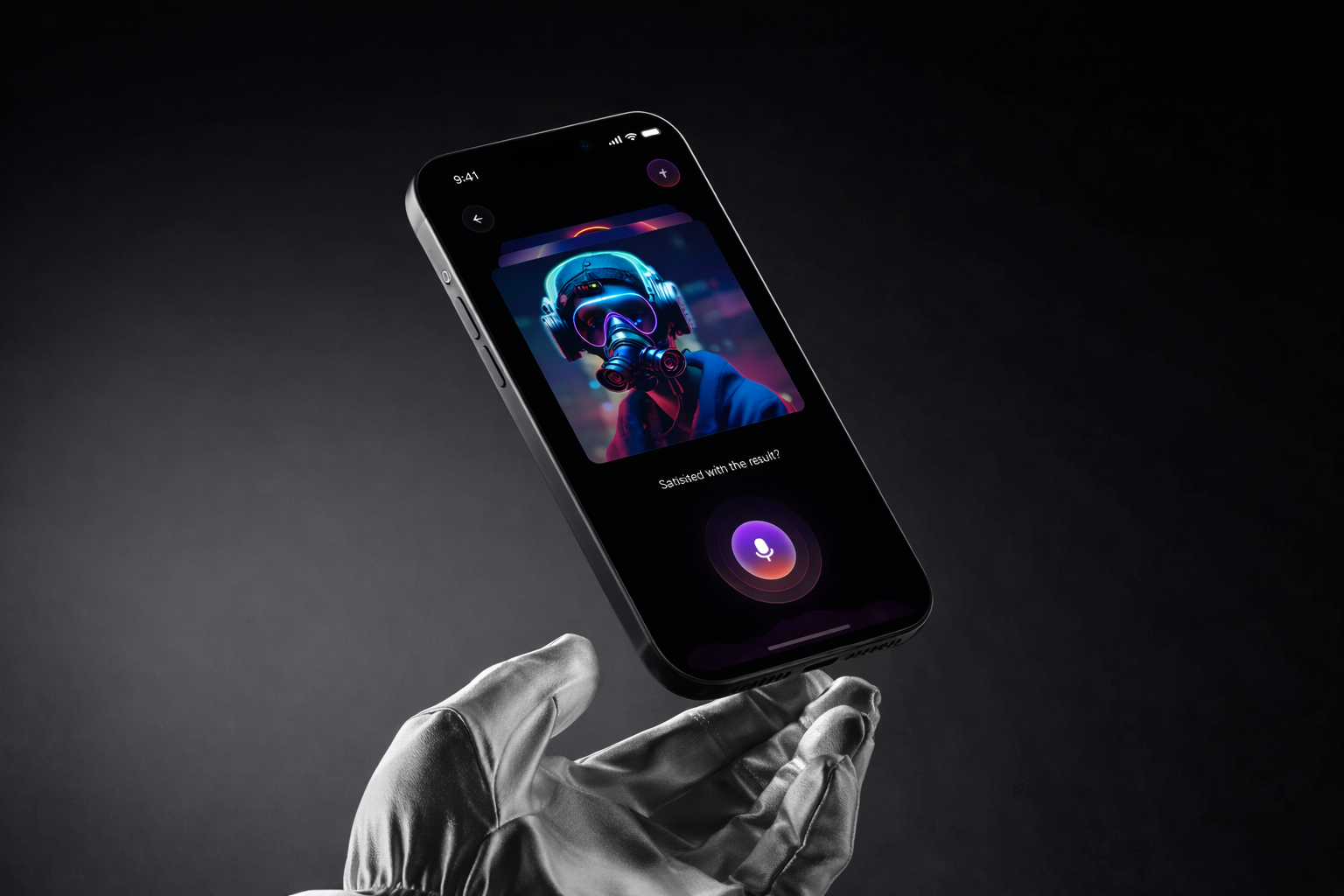
Artificial intelligence voice-command mobile app UI and UX design. Clean, intuitive interfaces that make AI-powered voice interaction feel natural and trustworthy.
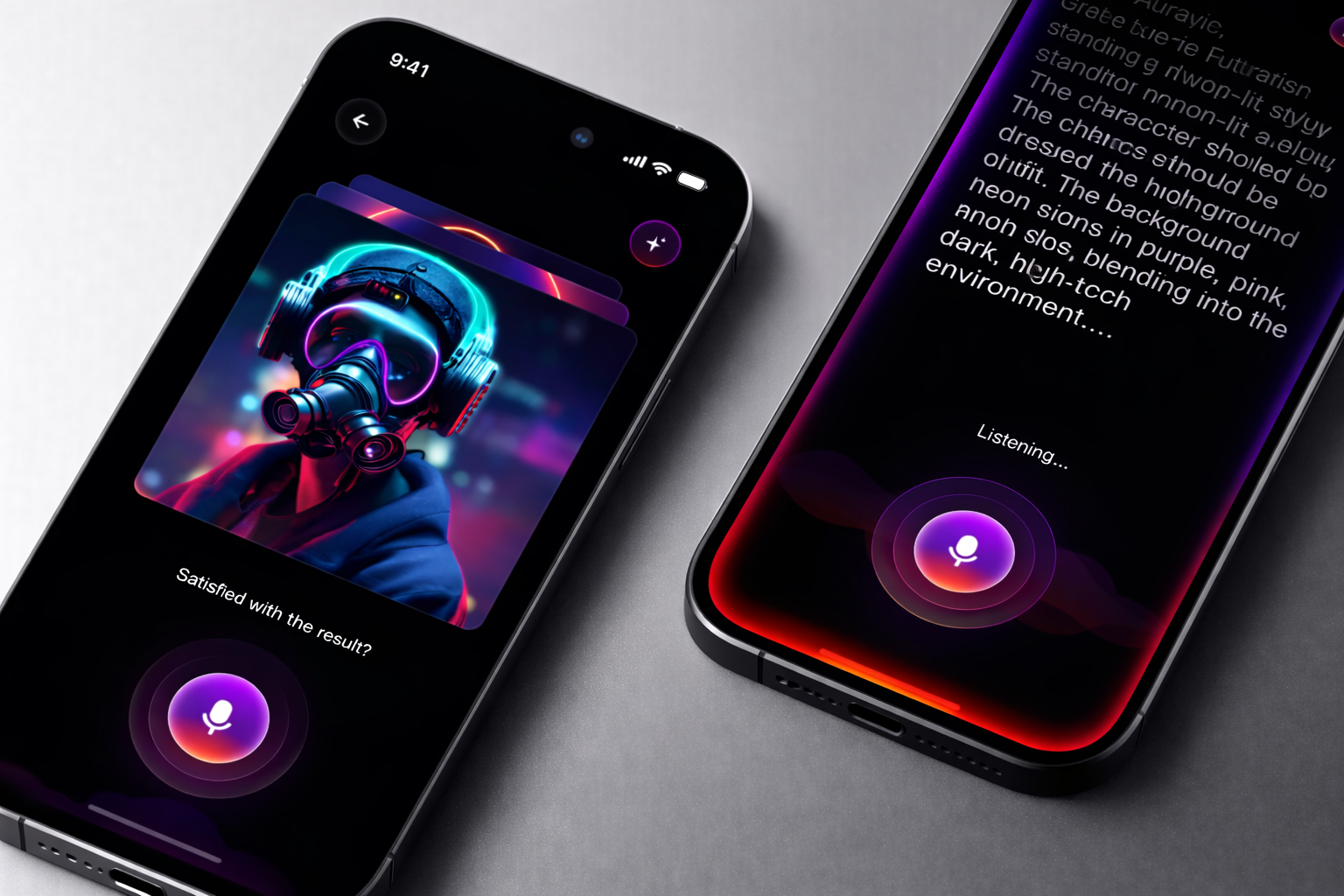
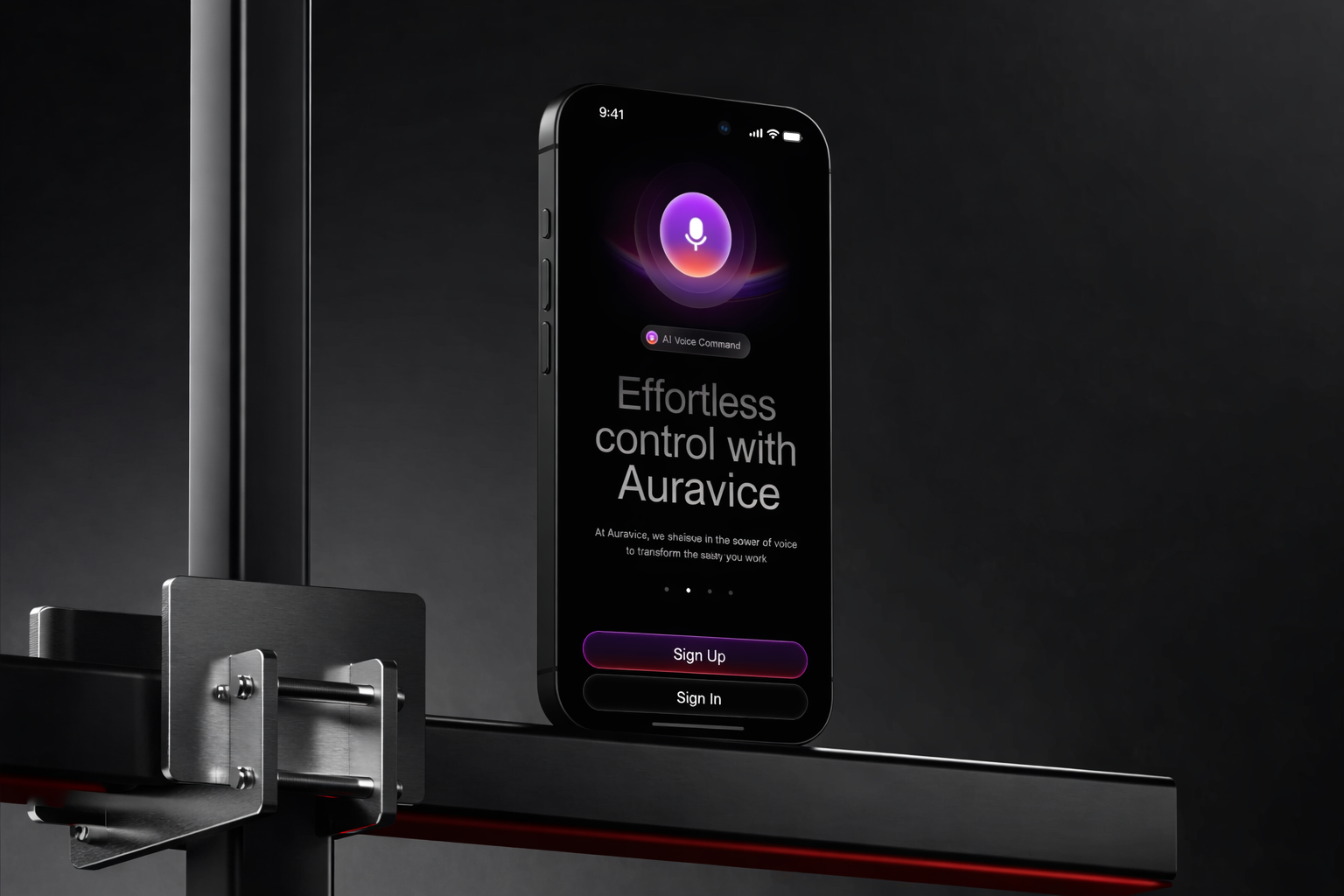
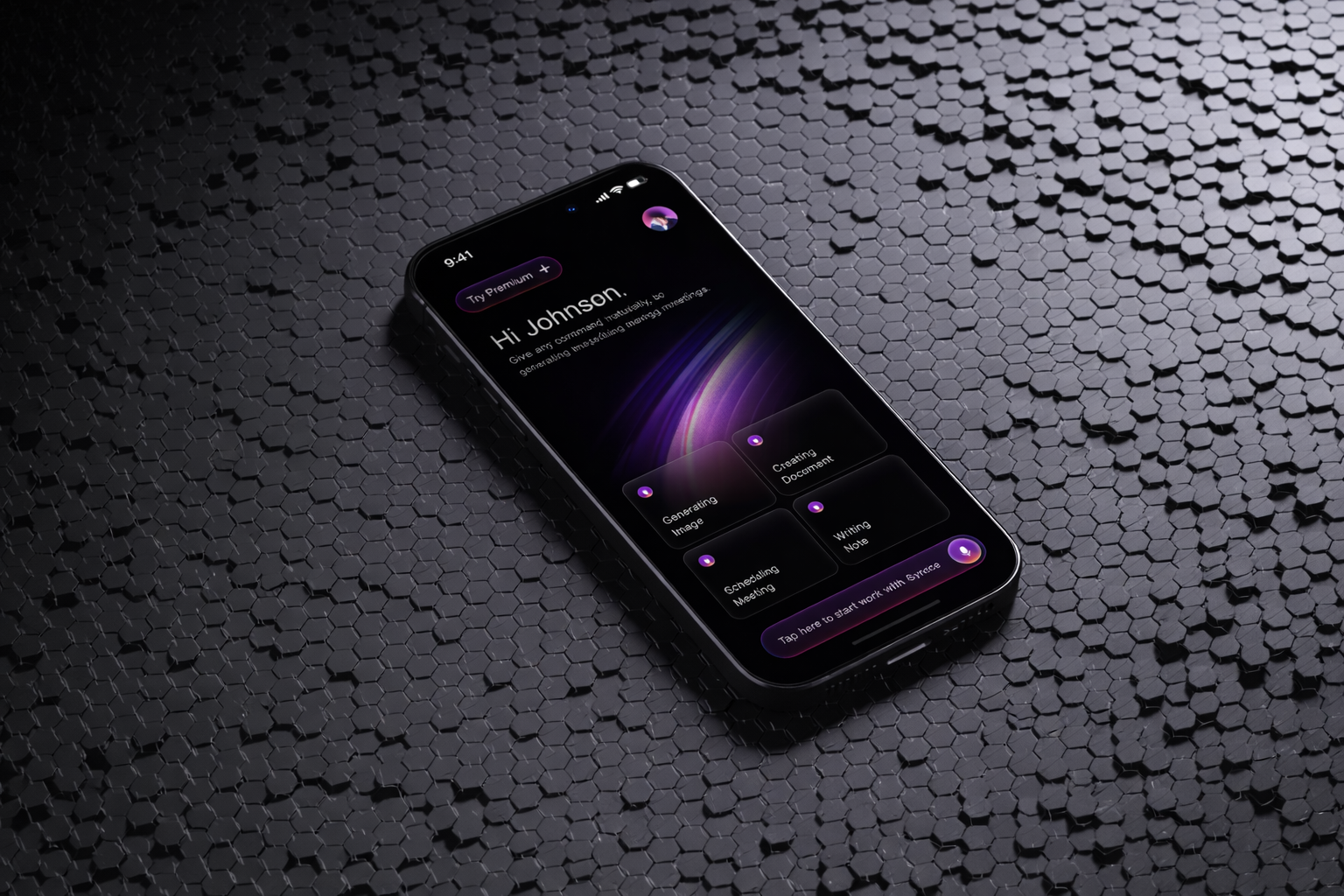
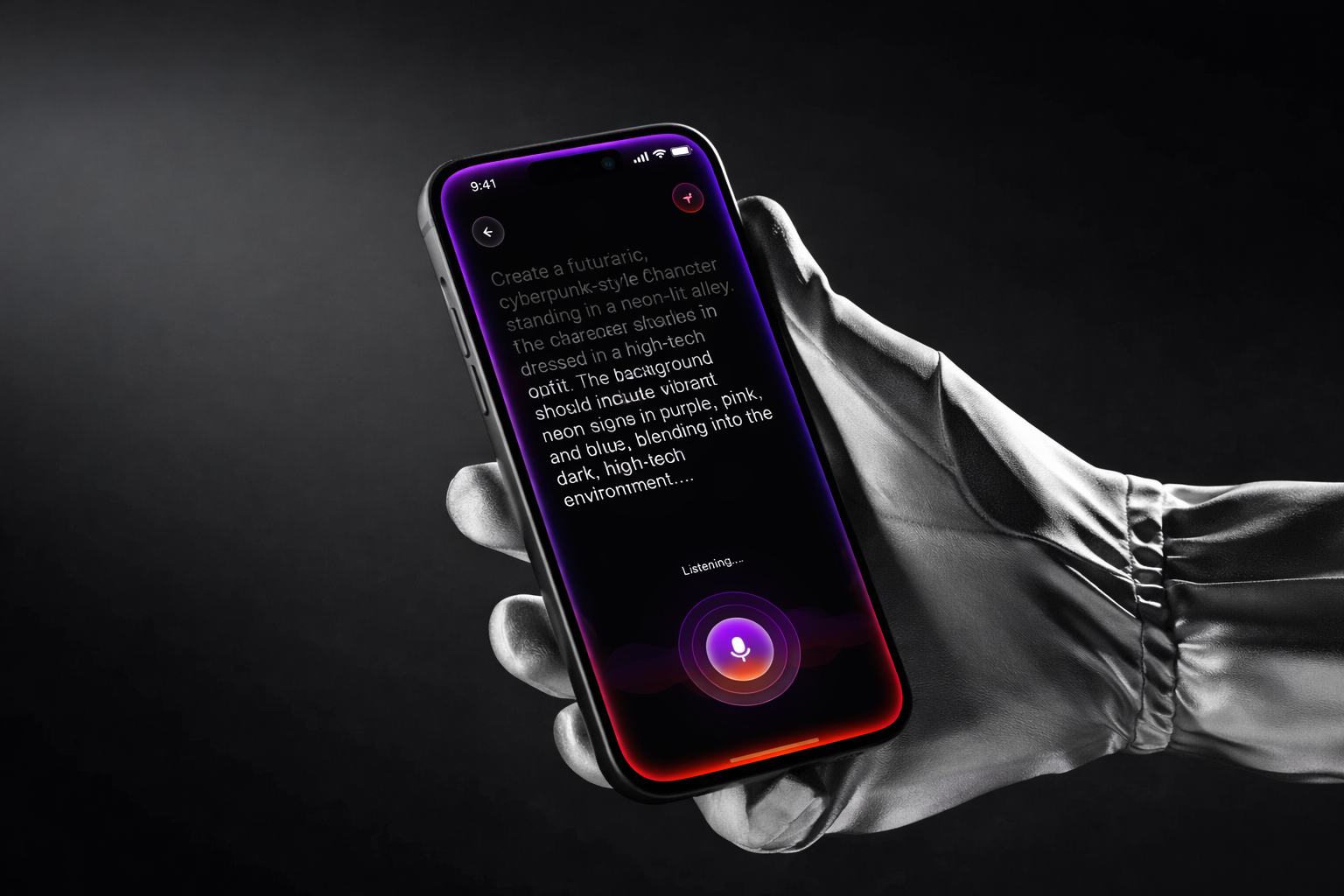
What the client was up against
Syncra AI was preparing a consumer launch of a voice-first mobile assistant in a category where trust is everything and every major player — Siri, Alexa, ChatGPT Voice — already owns massive mindshare. The founding team had working voice pipelines and a compelling wedge (hands-free workflows for busy parents and field workers) but no design system, no onboarding, and an MVP that looked like a dev prototype. User testing on their first build surfaced a brutal pattern: people did not trust the app to listen correctly, did not know when to speak, and bailed out of setup because permissions felt invasive. The team needed a production-ready design system, a voice-first interaction model, and a complete iOS and Android UI that would survive App Store review, convert free trialists into paid subscribers, and make a novice user feel confident inside sixty seconds.
How Cultiv AI Studio solved it
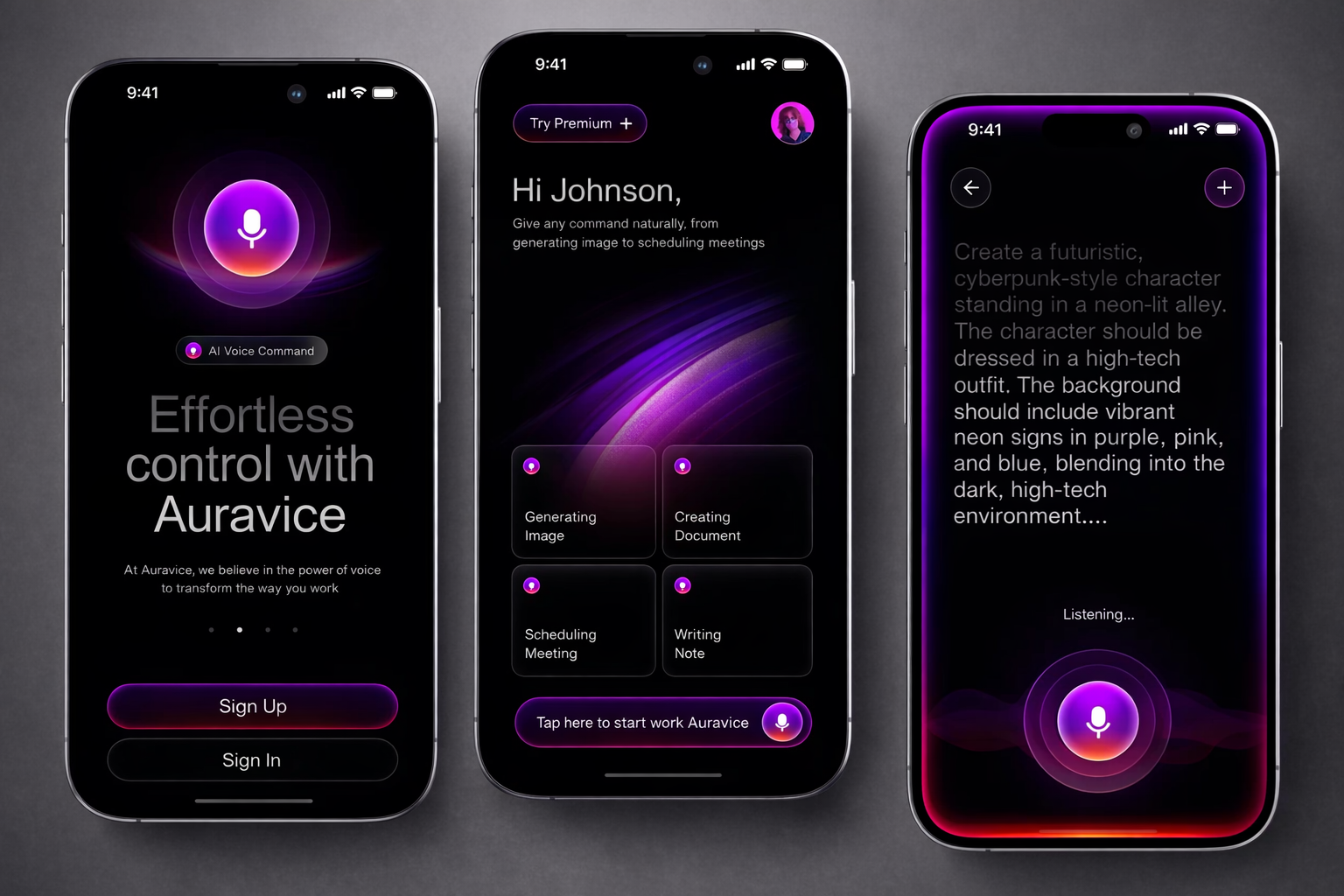
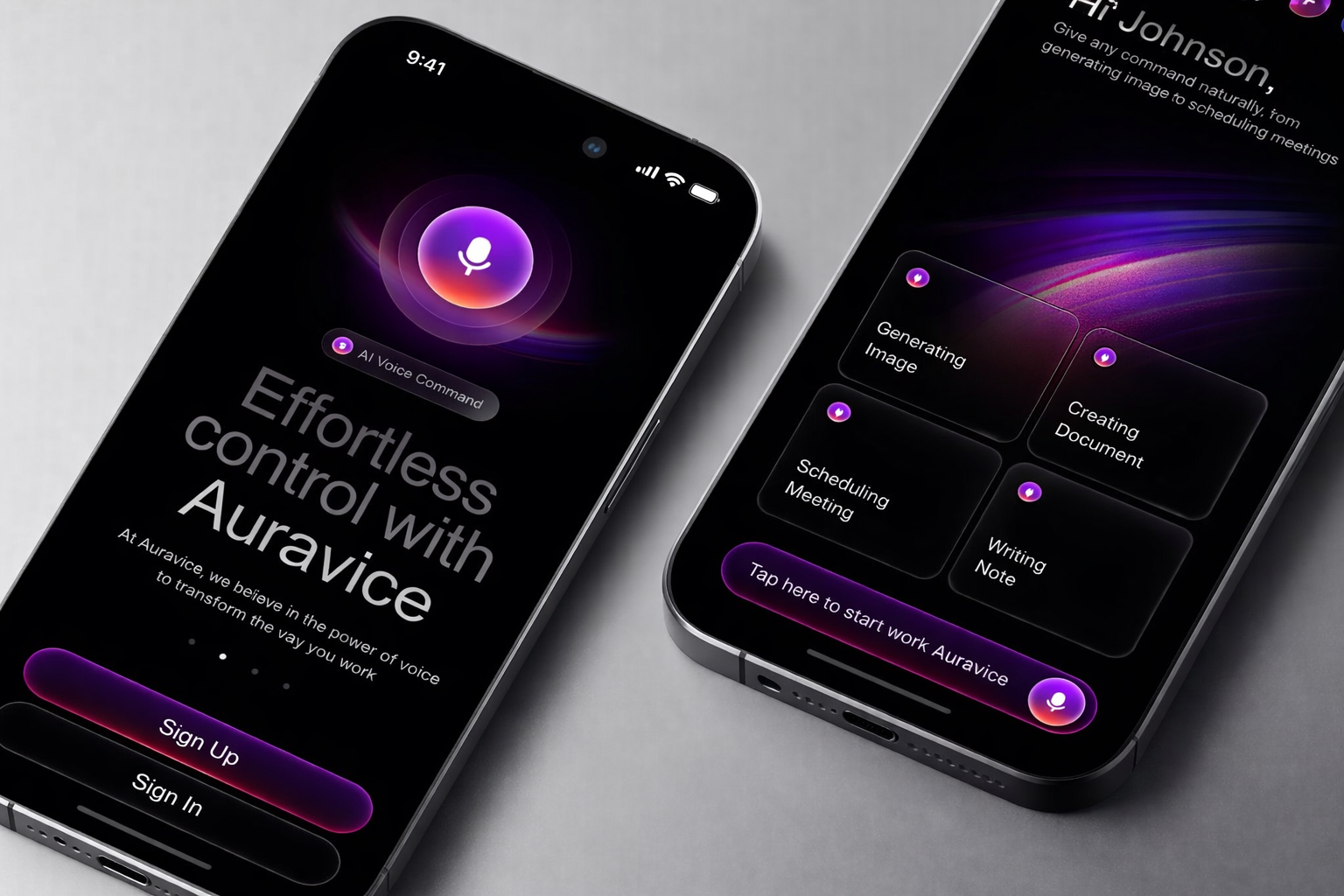
We anchored the entire design in a single question: how do we make the user always feel heard? That became the spine for every decision. We built an AI-augmented design loop — Figma AutoLayout plus Galileo AI and Uizard for first-pass screens, Midjourney for illustration and empty states, and rapid Figma prototypes for voice-flow rehearsal. Instead of shipping static mockups, we built click-through prototypes of the listen, confirm, and correct states so the team could feel the interaction, not just review it. Micro-interactions were designed around voice confidence levels, with visible waveform feedback and one-tap correction paths. Onboarding was rebuilt from a five-step wizard into a single guided first command — users speak, they see it work, then we ask for permissions. We ran two rounds of moderated tests with ten users each, tightened the flows, and shipped a locked design system with 120-plus components ready for the engineering team to build against.
Our working steps
- 01
Discovery & Voice Audit
Audited the MVP with five real users, mapped drop-off points, and re-wrote the core interaction model around listen → confirm → act → correct.
- 02
Rapid AI-Assisted Wireframes
Used Galileo AI and Uizard to spin up first-pass screens in hours. The team picked direction in a single review, not three.
- 03
High-Fidelity System + Prototype
Built a 120-component Figma library, dark and light themes, iOS and Android specifics, and a full click-through prototype of the voice loop.
- 04
Usability Validation & Handoff
Two rounds of moderated testing with ten users each. Shipped a locked design system, motion spec, and engineering-ready tokens.
04 — Deliverables
What we shipped
- Full iOS and Android UI (80+ screens)
- Voice interaction model and state diagrams
- 120-component Figma design system
- Dark and light theme tokens
- Interactive prototype for user testing
- Motion and micro-interaction spec
- Engineering handoff pack with tokens
05 — Tools & tech
What powered the work
What actually happened
Extended case study
Syncra AI arrived with a working voice pipeline and a clear product wedge, but the experience sitting on top of that pipeline was actively losing them users. Early testing showed that people did not doubt the technology — they doubted the app. They could not tell when Syncra was listening, could not tell whether it had understood them, and bailed during onboarding because the permission requests felt like a privacy minefield. Our task was to design an experience that made the intelligence feel earned rather than assumed, in a timeline aggressive enough to keep their product roadmap intact. We opened the engagement with a rapid voice audit: five moderated sessions with real users, watching where confidence broke down and where it recovered. Two findings dominated the notes: users needed to see the system listening, and they needed a zero-friction path to correct it when it was wrong. Those two insights became the spine of the design system. We rebuilt onboarding around a single guided first command so new users experience success before they are asked to grant permissions. We designed a waveform-first home screen where listening, thinking, and answering each have their own distinct, unmistakable state. We designed correction as a first-class action, not an edge case, with one-tap re-say and edit options on every response. The AI-augmented design loop let us move faster than a traditional product design engagement — first-pass screens in hours via Galileo AI and Uizard, bespoke illustration via Midjourney, hi-fi polish in Figma — without losing craft. The final system shipped with more than eighty screens across iOS and Android, a 120-component library, and a click-through prototype the engineering team built against directly. Post-launch, onboarding completion rose sharply, first-command success cleared 89 percent inside sixty seconds, and the team shipped their public App Store launch on schedule with a 4.7-star rating across their first 1,800 reviews.
More from this series lives in our AI creatives gallery, alongside campaign reels and brand experiments.
“The Cultiv team turned our voice pipeline into a product people actually trust. Onboarding completion jumped overnight — and so did our retention.”
Related work
Keep exploring our AI creative work — here are more case studies that pair well with Syncra AI – Voice Command Mobile App, hand-picked because they share design language, tooling, or business outcome.