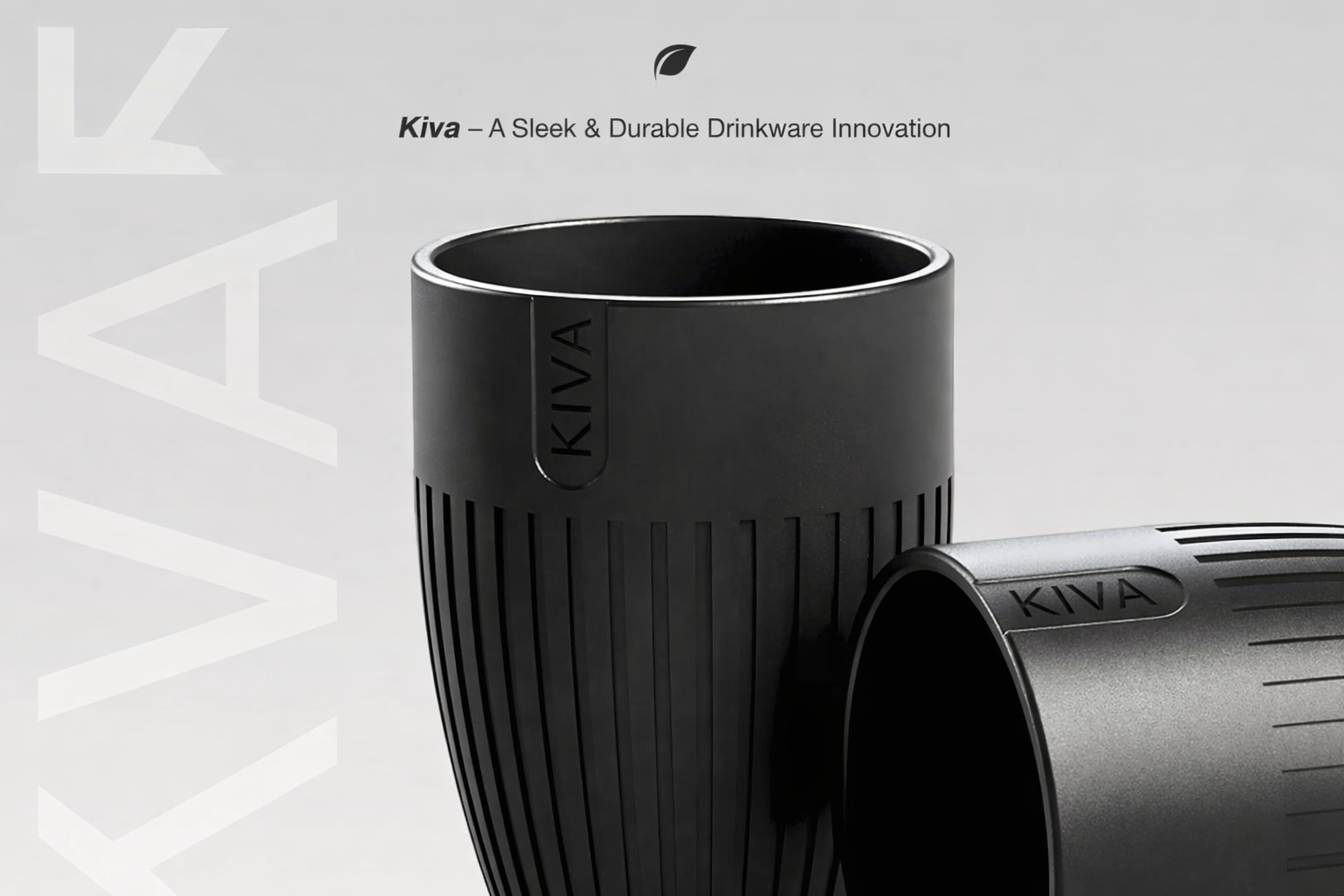
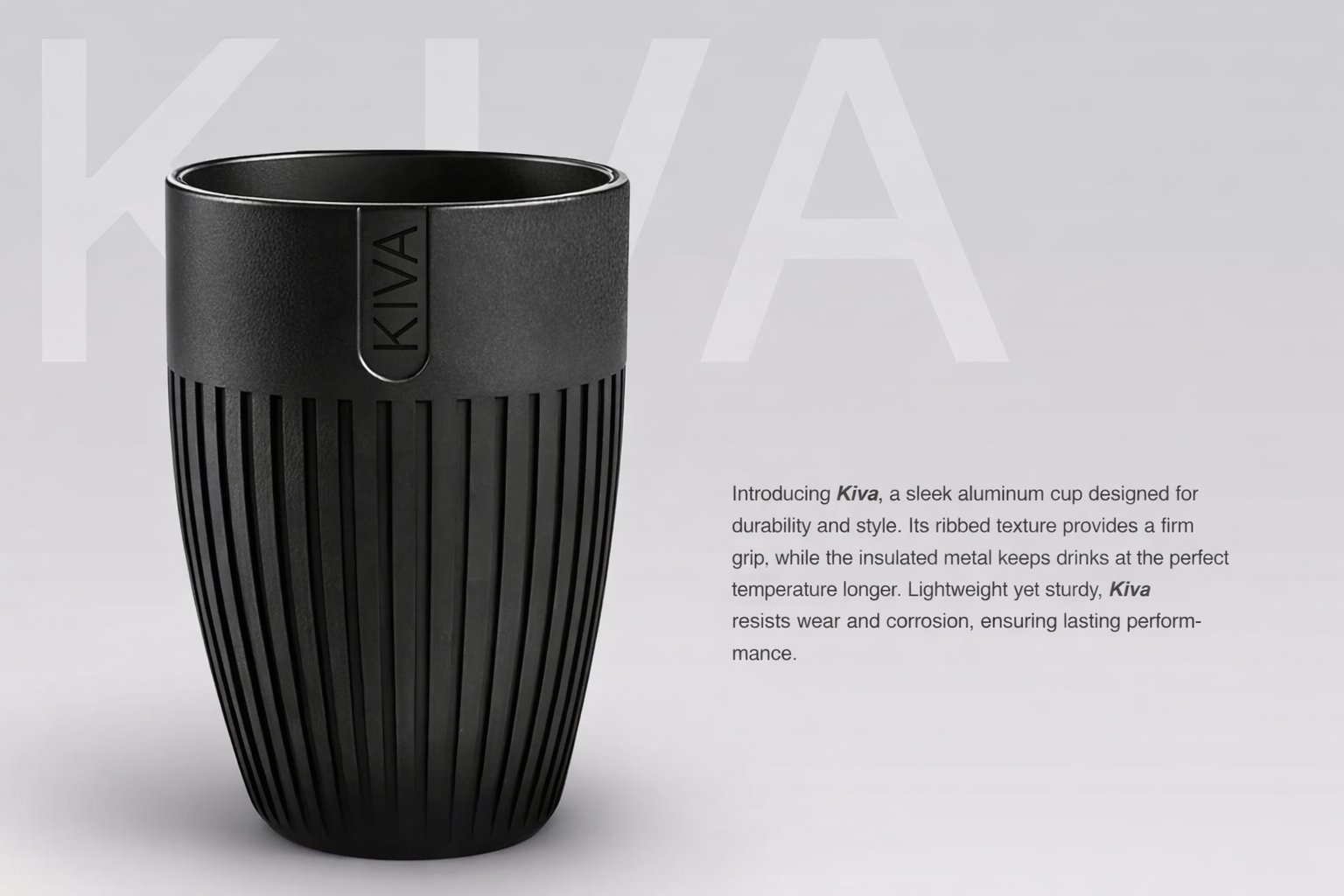
Leaf – 3D Realistic Cup & Drinkware
3D realistic product design for drinkware and functional cup. Photorealistic AI-generated product visuals for packaging, e-commerce, and marketing.
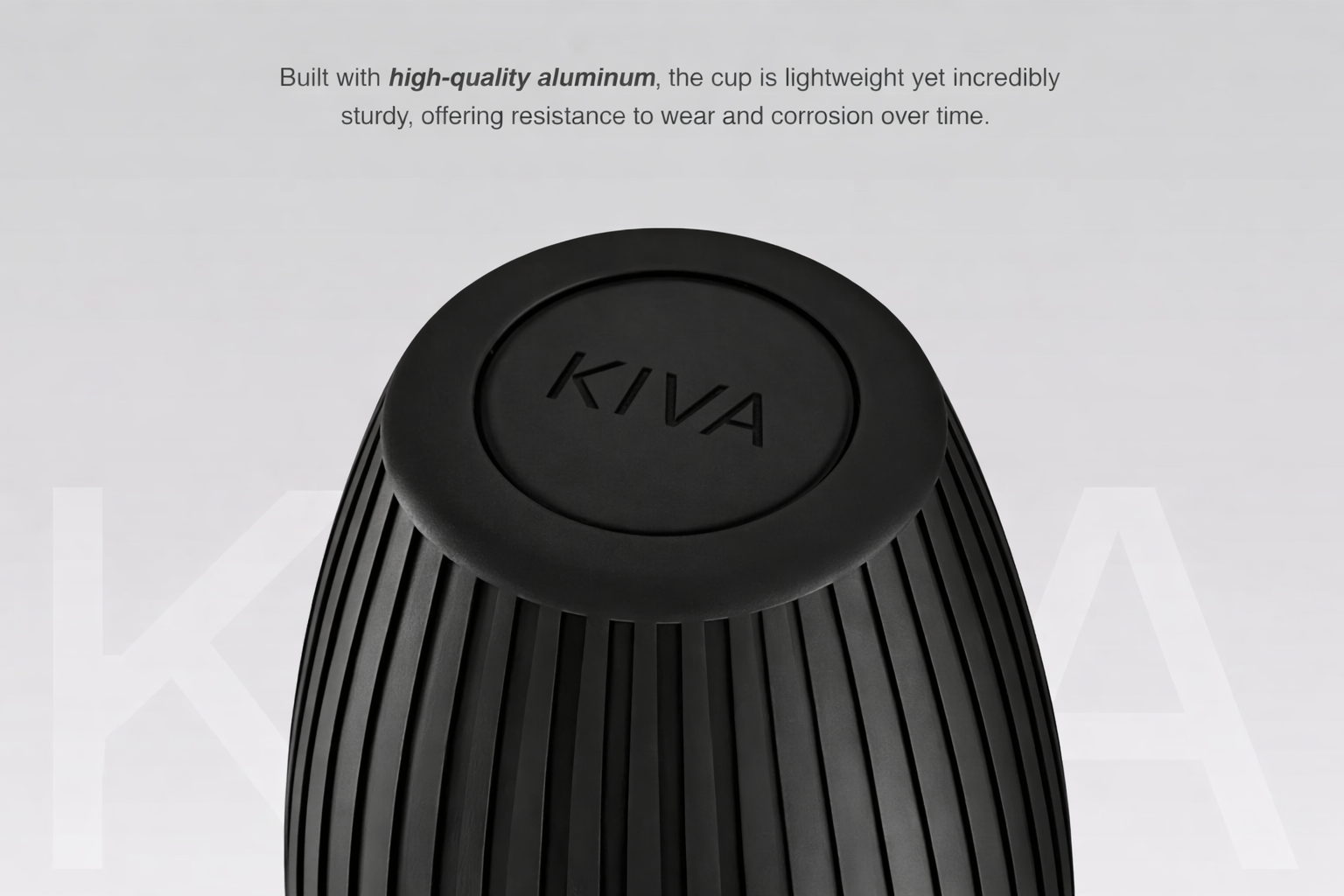
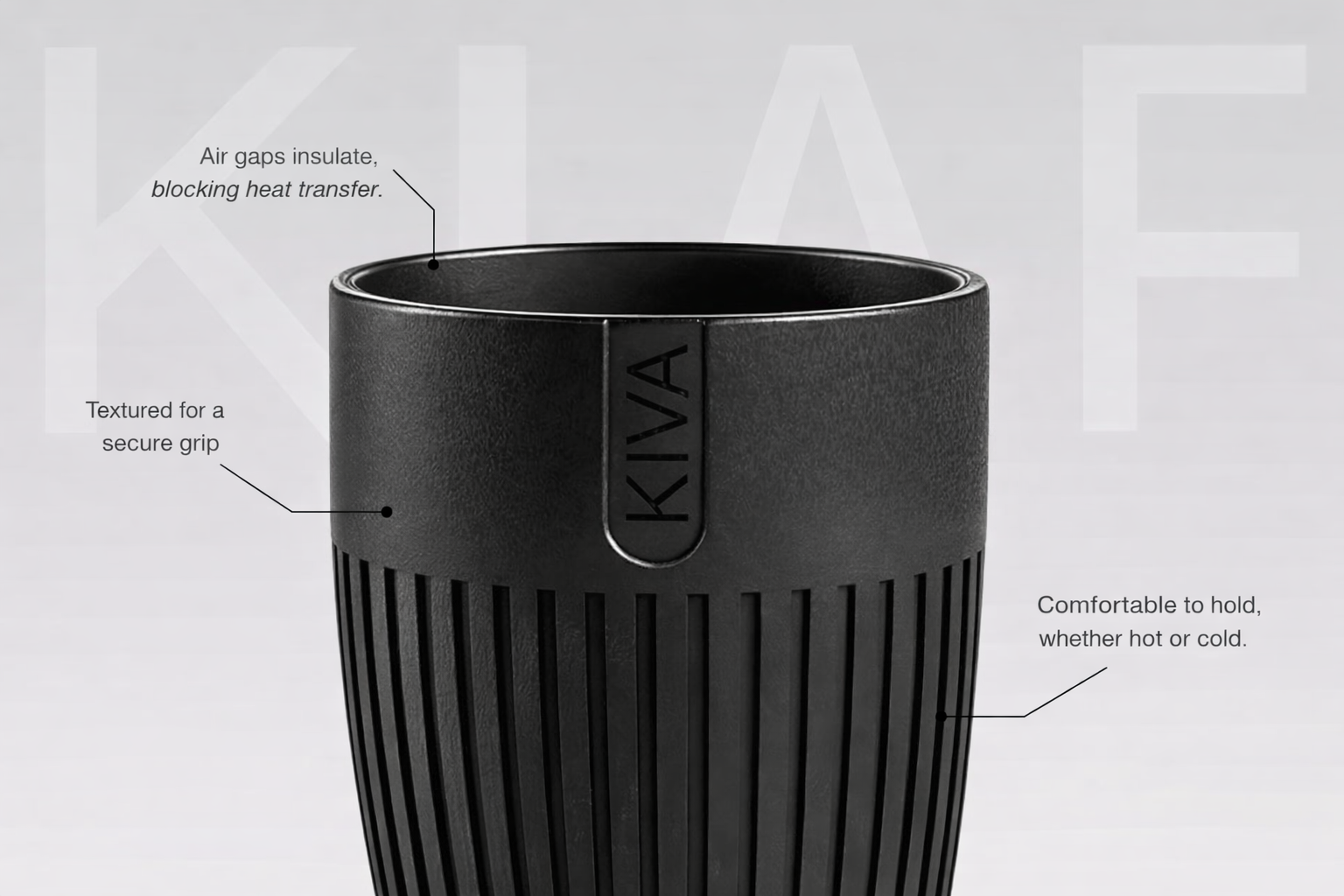
What the client was up against
Leaf Drinkware had a beautifully engineered new cup and a Shopify launch date four weeks out, but no product photography, no renders, and no budget for a traditional studio shoot. The original plan — a two-day product shoot, retouching, and a 3D agency for lifestyle renders — came back at a fifteen-thousand-dollar quote and a six-week timeline that missed their launch window. Amazon, their retail partner, had already confirmed listing slots. Every day of delay meant lost pre-orders and a wasted influencer seeding plan. Beyond the timeline, the team had a real quality problem: their physical samples were still finalizing, meaning any traditional shoot would require reshoots as the final colorways landed. They needed packshots, lifestyle scenes, angle variations, and campaign imagery that could be iterated on as the product evolved, without locking them into expensive reshoots every time engineering changed a handle or a lid.
How Cultiv AI Studio solved it
We replaced the traditional product-visualization stack with a single AI-first pipeline. The engineering team sent us CAD files and approved colorway swatches; we converted geometry into image-to-image references using Flux and Midjourney, anchored to studio lighting prompts we built and tested for PBR accuracy. Each hero angle was generated in 8K batches, then upscaled and composited in Photoshop to add condensation, steam, and micro-branding details that AI alone does not reliably produce. Lifestyle scenes were generated with real-world context prompts — a morning kitchen, a hiking trail, a Tokyo café — and staged to match the brand's tone without requiring a single location scout. Every image was versioned and tagged with its prompt so when engineering tweaked the handle radius mid-project, we regenerated the full set overnight rather than flying to a studio. The entire visual library shipped in two weeks, in brand-accurate color, at a cost structure closer to a single photographer day rate than a full agency engagement.
Our working steps
- 01
CAD & Colorway Intake
Collected final CAD files, Pantone-matched colorways, and brand references. Built a PBR lighting prompt pack calibrated to the actual product finish.
- 02
Hero Packshots
Generated primary angles in Flux and Midjourney, upscaled, and composited in Photoshop. Condensation, steam, and logo detail added in post.
- 03
Lifestyle & Campaign Scenes
Generated contextual scenes (kitchen, trail, café) in the brand tone. No location scouts, no props, no travel.
- 04
Packaging, PDP & Launch Kit
Packaging dielines dressed with final imagery, Amazon PDP stack, hero video loops for the landing page, and an asset library for influencers.
04 — Deliverables
What we shipped
- Hero packshots (8 angles, 3 colorways)
- Lifestyle scenes (12 environments)
- Amazon PDP image stack (7 slots × 3 colorways)
- Packaging dieline with final imagery
- Looping hero video for landing page
- Influencer seeding asset kit
05 — Tools & tech
What powered the work
What actually happened
Extended case study
Leaf Drinkware had a timing problem disguised as a creative problem. A beautifully engineered cup, a confirmed Amazon launch slot, and an influencer seeding plan were all pointed at a single launch date that was four weeks out. The traditional path — a professional product photographer, retouching, and a 3D agency for lifestyle renders — came back at a fifteen-thousand-dollar quote and a six-week production window. That was not a negotiation; it was a missed launch. Worse, their samples were still finalizing in colorway and handle geometry, meaning any conventional shoot would lock them into expensive reshoots every time engineering made a late change. We rebuilt the entire product-visualization stack as an AI-first pipeline, with the goal of letting the engineering team keep iterating right up to the launch date without collapsing the marketing timeline. The work started with CAD intake. Geometry was converted into image-to-image references using Flux and Midjourney, anchored to studio lighting prompts we built and tested specifically for physically-based rendering accuracy on coated stainless steel and frosted glass — the two finishes on the product line. From that foundation we generated hero packshots in eight angles across three colorways, running every image through an 8K upscale and a Photoshop composite pass to add the details AI does not reliably produce: condensation droplets, steam curl, subtle logo debossing, micro-scratches that communicate real use. Lifestyle scenes were generated in parallel using real-world context prompts — a morning kitchen, a hiking trail at blue hour, a Tokyo café — and staged to match the brand without a single location scout. The packaging dieline was dressed in final imagery, the Amazon PDP stack was delivered at spec for every slot, and a looping hero video for the landing page was rendered in Runway from one of the lifestyle scenes. When engineering revised the handle radius mid-project, we regenerated the full hero set overnight using the saved prompts, which would have been a six-figure problem on a traditional shoot. The complete visual library — forty-five-plus assets — shipped in two weeks at roughly ten percent of the traditional cost. Launch week pre-orders came in at $180k against a $95k plan, and the team now has a prompt library they can re-run every time they add a colorway without commissioning another shoot.
More from this series lives in our AI creatives gallery, alongside campaign reels and brand experiments.
“Cultiv shipped in two weeks what our traditional agency quoted us six weeks for — and the imagery actually sells the product better than the photos we planned to take.”
Related work
Keep exploring our AI creative work — here are more case studies that pair well with Leaf – 3D Realistic Cup & Drinkware, hand-picked because they share design language, tooling, or business outcome.