Gaming Platform – AI-Generated Assets
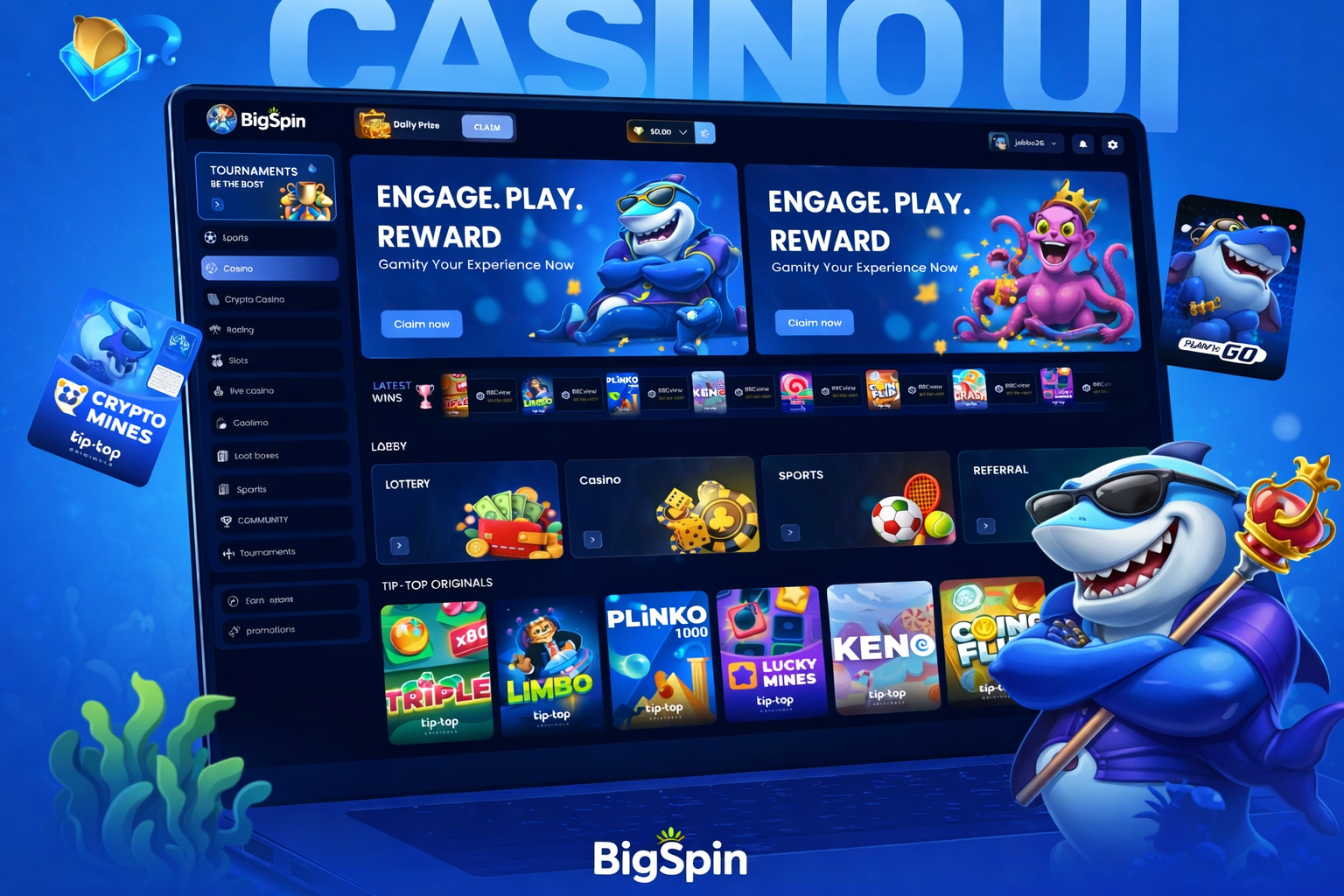
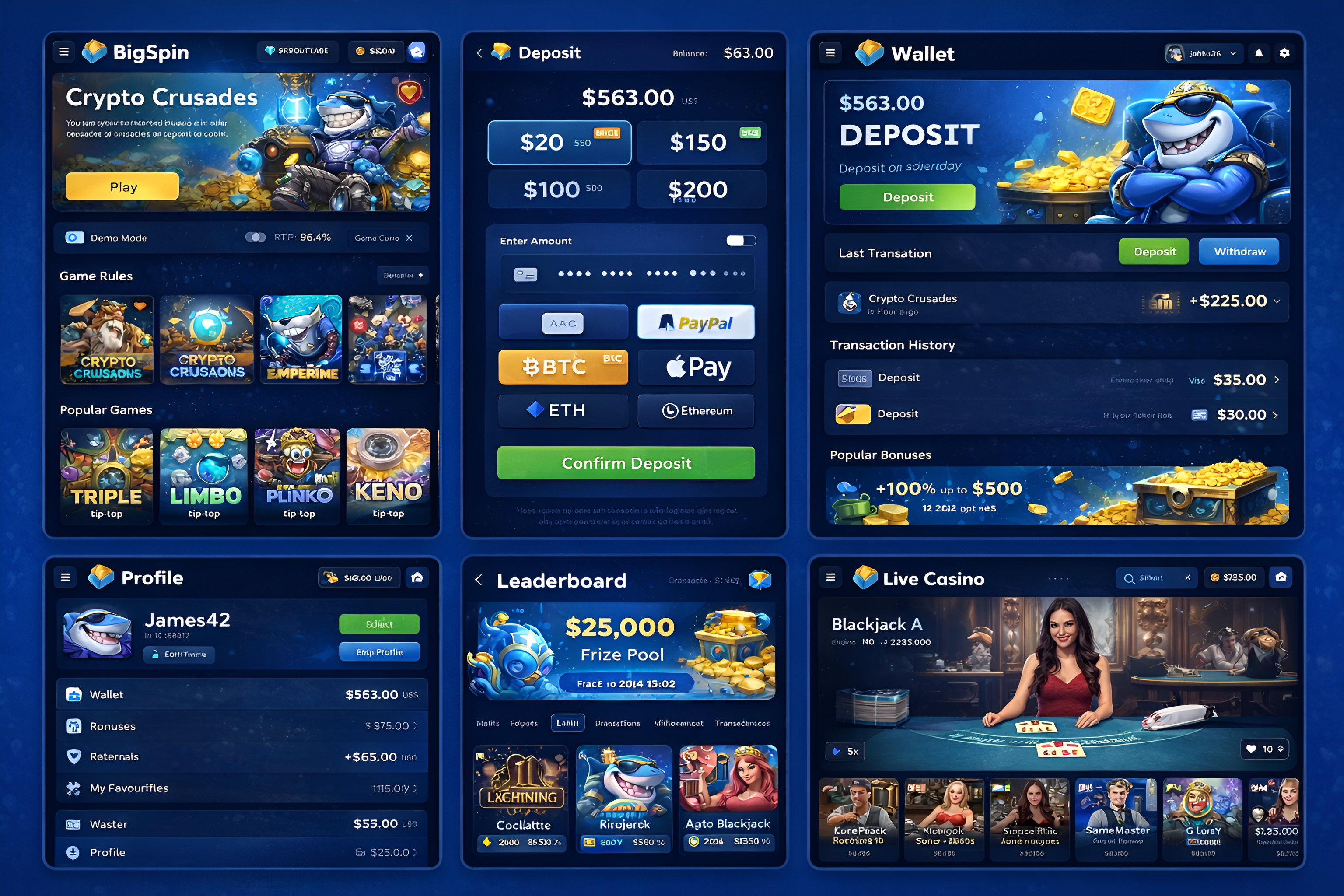
AI-generated game assets and visual design for a gaming platform. Character concepts, environments, and UI elements created at scale for faster iteration and launch.
What the client was up against
A mid-sized studio preparing a Steam and mobile launch came to us with an overloaded art pipeline and a calendar that had stopped bending. They needed fifty-plus character concepts, twelve fully dressed environment biomes, a UI system, and a marketing art kit — all in a timeline where their outsourced concept studio was quoting sixteen weeks for characters alone. The internal art director had a very sharp visual target (stylized, painterly, leaning toward Arcane and Valorant references) but no way to get there on budget. Every week of slip translated directly into lost publisher confidence and a compressed QA window. The brief was clear: do not compromise the art direction, but compress production by at least 3x. On top of that, everything generated had to survive scrutiny from a senior internal art team that had already pushed back on earlier AI experiments for looking generic, uncanny, or off-style.
How Cultiv AI Studio solved it
We started by building the style itself, not by generating assets. Our first week was entirely spent training a custom style model on hand-picked reference art, internal sketches, and the art director's existing paintover passes, using Stable Diffusion with LoRA fine-tunes and ControlNet for silhouette and pose control. That custom model became the engine for everything that followed — every character, every environment, every UI frame was generated inside a consistent, house-owned style rather than a generic Midjourney look. Character pipelines were driven by silhouette sheets first, so the art director could approve body language and proportion before we committed compute to full paint passes. Environment biomes were built in layered generation: mood plate, composition lock, prop dressing, lighting pass. UI frames and icons were generated in coordinated sets so the visual language held across menus, HUDs, and loading screens. The internal team stayed in the driver's seat throughout — our role was to triple their throughput, not to replace their judgement.
Our working steps
- 01
Style Model Training
Custom LoRA trained on art director references and internal paintover passes. Output: a house-owned model that encodes the exact target style.
- 02
Character & Silhouette Pass
Generated silhouette sheets first, locked body language with the art team, then committed to full paint passes only on approved silhouettes.
- 03
Environment Biomes
Layered generation — mood plate, composition lock, prop pass, lighting pass — across twelve biomes, each with variants for day, night, and weather.
- 04
UI System & Marketing Kit
Generated coordinated UI frames, icons, and menu art, plus key art and Steam capsule art for the marketing launch.
04 — Deliverables
What we shipped
- Custom trained style model (house-owned)
- 58 character concepts with silhouette sheets
- 12 environment biomes × 3 time-of-day variants
- UI frame and icon system (120+ elements)
- Steam capsule and key art
- Marketing kit for publisher review
- Style documentation and prompt library
05 — Tools & tech
What powered the work
What actually happened
Extended case study
A mid-sized game studio came to Cultiv AI Studio with the most familiar problem in modern game development: the publisher calendar had stopped being negotiable, but the art pipeline had not gotten any faster. They needed roughly fifty-plus character concepts, twelve fully dressed environment biomes, a UI system, and a full marketing art kit, inside a six-week window that the outsourced concept studio they were already working with had quoted sixteen weeks for on characters alone. The internal art director had a razor-sharp visual target — stylized, painterly, leaning into the Arcane and Valorant tradition — and zero appetite for the generic, over-saturated look that stock AI tooling tends to produce. Earlier internal AI experiments had been rejected for exactly that reason. Our proposal was to flip the order of operations. Rather than start generating assets and try to art-direct them toward the target later, we spent the first full week of the engagement training a custom style model. Stable Diffusion with LoRA fine-tunes and ControlNet for silhouette and pose control let us encode the art director's references, internal sketches, and existing paintover passes into a house-owned model. Everything that came after — every character, every environment, every UI frame — was generated inside that model, which meant it looked like them, not like generic AI. With the style anchored, production moved fast without feeling rushed. Character concepts were driven by silhouette sheets first, so the art team could approve body language and proportion before we committed full paint passes. Environments were built in layered generation: mood plate, composition lock, prop pass, and lighting pass, delivered across twelve biomes each with day, night, and weather variants. UI frames and icons were generated as coordinated sets so the visual language held across menus, HUDs, and loading screens. The internal art team remained the creative authority throughout; our role was to triple their throughput, not replace their judgement. The engagement shipped fifty-eight character concepts, thirty-six environment plates, a 120-plus element UI system, and a full marketing kit in six weeks — a 3.4x speed-up against their benchmarked traditional concept pipeline. More importantly, the on-style acceptance rate from the art director sat at 82 percent on first-pass generations, which meant the team spent their review energy refining direction rather than re-rejecting generic AI output. The studio now owns the trained style model outright and can spin up additional DLC or post-launch content through the same pipeline.
More from this series lives in our AI creatives gallery, alongside campaign reels and brand experiments.
“We've tried every AI tool in the category and bounced off all of them. Cultiv was the first partner that actually built our style into the pipeline — the output looks like us.”
Related work
Keep exploring our AI creative work — here are more case studies that pair well with Gaming Platform – AI-Generated Assets, hand-picked because they share design language, tooling, or business outcome.